

Dr Alisa Čorda, Dr Lucija Čulina and Dr Laura Plešnar discuss their professional journeys, the treatments they recommend and the importance of medical expertise in making decisions about skin care and rejuvenation.
In aesthetic medicine, trust is built on knowledge, experience and an understanding of each individual's needs. A successful result depends not only on choosing the right treatment, but also on the physician's ability to assess the condition of the skin, understand facial anatomy and recognise what a patient truly needs. The goal is not necessarily to change one's appearance, but to achieve a result that respects natural facial features and individuality.
The reputation Dr Nikola Milojević has established in aesthetic medicine also comes with the responsibility of ensuring that every patient receives the same level of expertise and attention. As patients' needs and the possibilities offered by modern medicine continue to evolve, the importance of a team that brings together different areas of knowledge, experience and specialisation continues to grow. At Milojević Clinic, three female physicians work alongside Dr Nikola Milojević, each bringing a distinct professional background and area of expertise that complements this approach. Dr Alisa Čorda completed her medical degree, specialist training and much of her professional experience in the United Kingdom. Dr Lucija Čulina develops her expertise at the intersection of dermatology and aesthetic medicine, while Dr Laura Plešnar focuses on both aesthetic medicine and clinical dermatology. Their different professional perspectives are united by a shared goal: a personalised approach to patients, thoughtful treatment selection and results that enhance natural beauty.
In this interview, they discuss how they approach aesthetic treatments, the possibilities offered by modern technologies and why it is just as important to know what can be done as it is to recognise when a procedure is unnecessary.
Dr Alisa Čorda
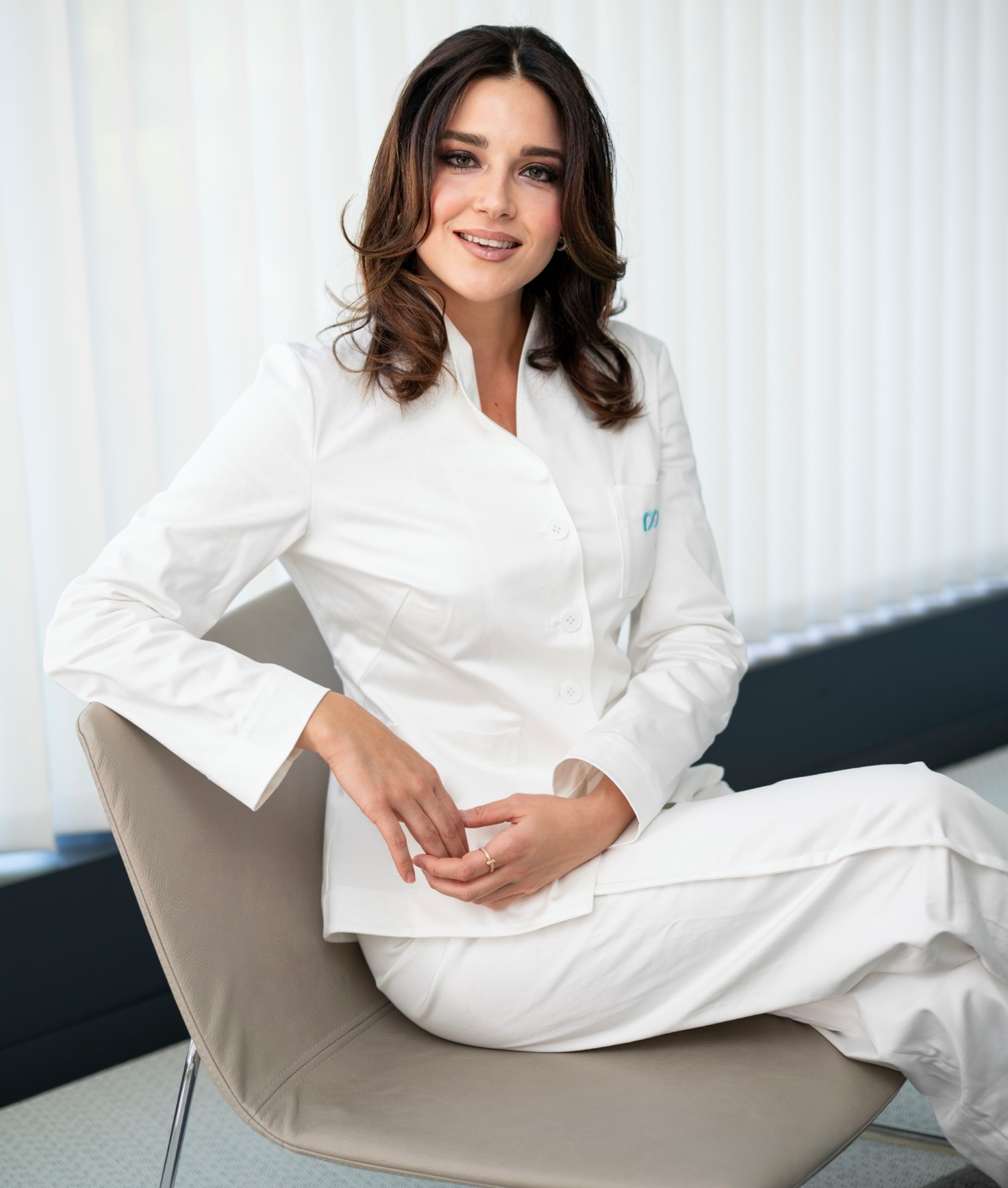
1. You completed your medical education and gained much of your professional experience in the United Kingdom, followed by specialised training in aesthetic medicine at Harley Academy in London. What differences between the British and Croatian approaches to aesthetic medicine do you notice most?
I think people in the UK tend to prefer regular, smaller adjustments over time to maintain a fresh appearance, rather than having everything done at once or after just one treatment. I have the impression that people in Croatia often prefer to visit a clinic and see immediate results. However, this trend is changing, and we are seeing more and more patients who are willing to invest in their skin and gradually improve its quality. Both in the UK and in Croatia, subtle treatments that ultimately result in a natural appearance are now preferred.
2. What does beauty mean to you, and how does your personal understanding of beauty influence your work with patients?
For me, beauty is individuality. I believe aesthetic medicine can enhance our authentic beauty because beauty is not about changing who we are, but about bringing out our most radiant and healthiest version of ourselves. There is something incredibly beautiful about uniqueness. We should never lose that! It is the responsibility of an aesthetic physician to ensure that each person's individuality is preserved.
3. Biostimulators work differently from traditional fillers because their purpose is not simply to restore volume, but also to stimulate processes that contribute to skin quality. What are the main differences between these treatments, and how do you assess which option will deliver the best results for an individual patient?
For some patients, adding volume may be necessary to achieve facial harmony and balanced proportions. We also lose volume as we age, and restoring it with dermal fillers can rejuvenate the face. However, at certain stages, some individuals simply need to improve their skin quality, for example through biostimulators or microneedling. Our faces constantly develop and change as we age, which is why it is important to adapt our approach to the patient's needs at a particular point in time.
4. You attend international congresses and also work as an educator for manufacturers of certain products. Which developments in aesthetic medicine do you currently consider most important, and are you seeing a shift away from pronounced changes in appearance towards more subtle, natural-looking results
Yes, absolutely. I believe a shift towards more subtle results is taking place worldwide. As I mentioned earlier, people are increasingly willing to invest in themselves, and I would say society as a whole is becoming more focused on the long-term preservation of health, vitality and well-being.
5. Milojević Clinic offers several technologies for non-surgical facial rejuvenation, including Ultherapy, Morpheus8 and EmFace. How do they differ, and how do you determine which treatment is the best choice for an individual patient?
All three treatments rely on energy-based technologies to stimulate the body's natural healing and regenerative processes and increase collagen production. As a result, the skin gradually becomes firmer, and the face develops a more lifted and rejuvenated appearance. Results are not visible overnight, but develop gradually over several weeks to several months. Ultherapy uses microfocused ultrasound to target the deeper structural layers of the skin and tissue, producing a lifting and tightening effect. Morpheus8 combines radiofrequency energy with microneedling to stimulate tissue remodelling, improve skin firmness and refine surface texture. EmFace combines synchronized radiofrequency with high-intensity facial muscle stimulation. This simultaneously heats the skin and tones, or stimulates the contraction of, facial muscles, creating a more lifted appearance.
A consultation with an aesthetic physician is recommended to assess your individual needs and determine which treatment is most suitable for you. In general, I like to use Ultherapy when my primary goal is facial lifting, Morpheus8 when I want to focus more on skin tightening, and EmFace when I want to refresh and lift the face without using Botox.
Dr Lucija Čulina

1. You specialise in dermatology and venereology, a field of medicine covering a wide range of skin diseases and conditions. What are the greatest challenges in diagnosing and treating dermatological problems today, and how closely are clinical dermatology and aesthetic medicine connected?
One of the greatest challenges in everyday clinical practice is the fact that different diseases can present with very similar clinical features. This makes a detailed medical history, clinical examination and timely diagnosis essential for successful treatment. Chronic inflammatory skin conditions, such as atopic dermatitis, psoriasis, rosacea and acne, present a particular challenge, as the goal is long-term disease control and preservation of the patient's quality of life. Early detection of malignant skin tumours and prevention of photoaging are also important. Clinical dermatology and aesthetic medicine are closely interconnected. For example, patients with acne may develop post-inflammatory hyperpigmentation and scars, while individuals with rosacea often experience redness and visible capillaries. This is why I believe high-quality aesthetic medicine must be founded on a strong understanding of dermatology. Before every treatment, it is important to assess the health of the skin, identify any underlying conditions and understand the processes that influence skin ageing.
2. Advanced laser and light-based technologies are increasingly being used to treat various skin conditions. What possibilities do the Sciton devices available at Milojević Clinic offer, and which dermatological concerns can they be particularly useful for?
The development of laser and light-based technologies has significantly improved the possibilities available in dermatological treatment and aesthetic medicine. At Milojević Clinic, we use advanced Sciton technologies, among which I would particularly highlight BBL HEROic, a broadband light platform. BBL enables us to treat pigmentation and vascular changes in the skin and is particularly useful for signs of photoaging, such as sun spots, uneven skin tone, diffuse redness and visible capillaries. In appropriately selected patients, it can also form part of a treatment approach for rosacea and certain types of acne.
One of its advantages is the ability to address several signs of skin damage simultaneously, resulting in a more even complexion and a fresher appearance. It is important to emphasise that no technology is a universal solution. The best results are achieved through an accurate diagnosis, personalised treatment parameters and appropriate home skincare.
3. Injectable treatments have become part of routine aesthetic care, but they differ in their mechanisms of action and the results they can achieve. Which treatments do you most often recommend to your patients, and how do you determine what is truly the best choice for each individual?
Every face has unique anatomy, proportions, skin quality and an individual ageing process, which is why I consider a personalised approach the most important prerequisite for a successful result. Among the treatments I recommend are botulinum toxin, hyaluronic acid dermal fillers and various biostimulatory treatments. Botulinum toxin softens dynamic wrinkles, with the goal of preserving natural facial expression. Hyaluronic acid fillers can restore lost volume and improve facial contours, but not every wrinkle or hollow requires filler treatment. Biostimulatory and skin booster treatments focus on improving skin hydration, elasticity and firmness. When selecting a treatment, I assess facial anatomy, volume loss, skin quality, facial expression and the patient's expectations. Sometimes the best approach involves combining several methods, while in other cases a single subtle treatment is all that is needed. I believe it is just as important to know which treatment to recommend as it is to recognise when a treatment is unnecessary. The best result is one in which people notice that someone looks fresher and more rested, but cannot identify exactly what has been done.
4. The range of aesthetic treatments continues to grow, and patients are often confronted with different recommendations and trends. What should they pay attention to when choosing a physician and a treatment, and how important are medical knowledge and experience for safety and results?
The rapid development of aesthetic medicine offers patients numerous possibilities, but it also makes it more difficult to distinguish medically sound procedures from temporary trends. When choosing a physician, it is important to verify their medical education, experience, knowledge of anatomy and ability to recognise and manage potential complications. Aesthetic procedures are medical interventions that carry certain risks. The administration of dermal fillers requires a thorough understanding of facial vascular anatomy because of the possibility of vascular occlusion. Laser and light-based treatments also require an appropriate assessment of skin phototype, contraindications and the interaction of energy with the skin in order to reduce the risk of burns, scarring and pigmentation disorders. A physician should clearly explain the expected results, possible side effects and available alternatives. Medical knowledge and experience are the foundation of a safe and responsible approach to aesthetic medicine, regardless of current trends.
5. What attracted you to working at Milojević Clinic, and how valuable is the opportunity to combine dermatological knowledge with aesthetic medicine while having access to the latest technologies?
I recognised Milojević Clinic as an environment in which I could further develop my professional interests, expand my knowledge and connect clinical dermatology with the latest advances in aesthetic medicine. I am particularly interested in how scientific knowledge and modern technologies can be used not only to correct existing skin concerns, but also to preserve skin health and quality over the long term. This is precisely where I see the future of dermatology and aesthetic medicine.
Dr Laura Plešnar
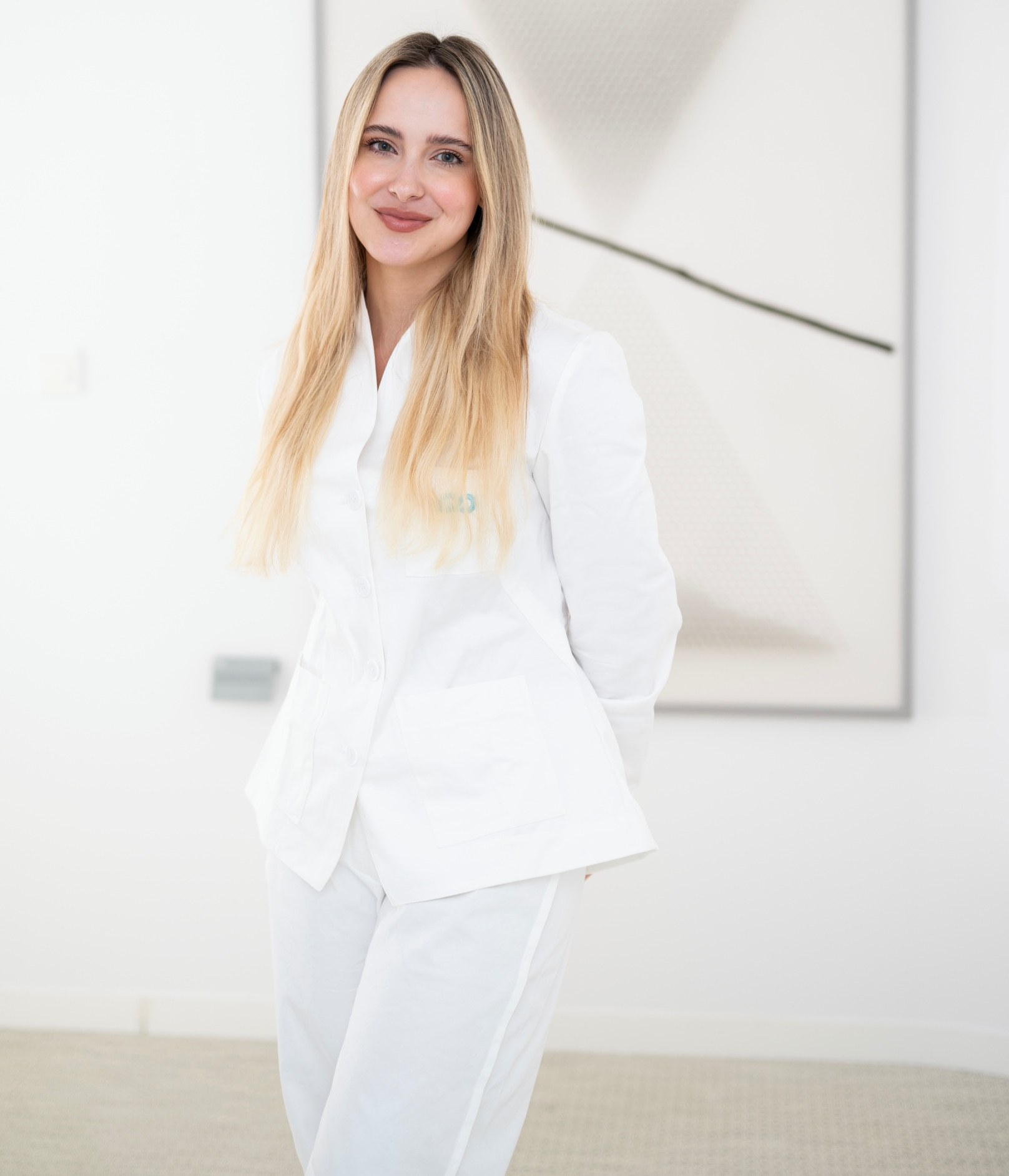
1. How would you describe your professional journey so far, and how does dermatology connect with aesthetic medicine in your work?
After graduating from the University of Zagreb School of Medicine, I directed my professional career towards dermatology and aesthetic medicine. I am currently completing my specialist training in dermatology and venereology at University Hospital Centre Zagreb, and I have been working in aesthetic medicine for four years. Working in both a hospital setting and at Milojević Clinic provides me with two perspectives that complement one another on a daily basis: understanding skin diseases and having the opportunity to improve skin quality and appearance. I continuously expand my knowledge through international congresses and practical training, and I also participate as a speaker. Dermatology is the foundation of my approach to aesthetic medicine. Before deciding how to treat the skin, we must understand what is happening within it. My goal is to achieve a result that respects both the health of the skin and the individuality of each person.
2. How valuable is professional development alongside Dr Nikola Milojević and working at a clinic that invests in new technologies?
The opportunity to develop professionally alongside Dr Nikola Milojević is extremely valuable to me, particularly because it allows me to combine his experience with new knowledge and technologies. In such an environment, you learn that a successful result begins long before the treatment itself: with a conversation, a thorough assessment and an understanding of what the patient truly wants. The availability of different treatment options allows us to tailor the plan to each patient and, when appropriate, combine methods that address different aspects of a concern. At the same time, access to technology requires responsibility. We need to know who will benefit from a particular procedure, when it should be performed and when it is better to postpone it.
3. What does UltraClear offer in terms of improving skin quality, and what should patients know about recovery?
UltraClear is a fractional ablative laser that creates highly precise microscopic zones of tissue removal, leaving surrounding areas of intact skin that help with healing. This initiates the process of collagen renewal and remodelling. It is useful for uneven skin texture, wrinkles, signs of sun damage and certain types of scars, including acne scars. An important advantage is the ability to adjust the depth and intensity of the treatment to the specific concern being addressed. Recovery depends on the extent of the procedure. Milder treatments involve a shorter recovery period, while more intensive procedures require approximately five to ten days of visible healing, with redness potentially lasting longer.
Swelling, peeling and small crusts may occur, making adherence to the physician's skincare instructions and sun protection an essential part of the treatment. The intensity of the treatment and the recovery time should be adapted to the patient's expectations and daily commitments. Improvements in skin quality are assessed gradually as the skin undergoes regeneration.
4. What is the difference between Sunekos and Profhilo, and how do you determine which treatment is appropriate?
We increasingly focus on the overall appearance of the skin: its hydration, elasticity and texture. This is also the philosophy I recently presented in a lecture on the concept of quiet luxury in aesthetic medicine - thoughtful treatments that preserve individuality, with an emphasis on skin quality and understated results. Sunekos and Profhilo are two treatments that can improve skin quality, but they differ in composition and mechanism of action.
Sunekos combines hyaluronic acid and amino acids with the aim of improving skin quality, while Profhilo primarily focuses on skin hydration, elasticity and firmness. Their purpose is not to change facial shape or add volume, but to improve the appearance and condition of the skin. When choosing a treatment, I consider the condition and thickness of the skin, the area to be treated and the patient's desired outcome. There is no single product that is best for everyone. Some patients primarily need improved hydration, while others need better skin elasticity and texture. It is important to me that patients understand why I recommend a particular treatment and what results they can realistically expect.
5. How does PiQo4 differ from older generations of lasers, and what possibilities does it offer for tattoo removal?
Tattoo removal is an area of particular interest to me, and I have also discussed this topic at a professional congress. Technology plays an important role in this field, but the physician's experience and assessment of each individual tattoo are equally important. PiQo4 is a laser that combines nanosecond and picosecond pulses and uses four wavelengths. These pulses break down pigment in the skin into smaller particles, which the body then gradually eliminates. The combination of different pulse durations and wavelengths allows us to adapt treatment to different colours, including multicoloured tattoos. The number of treatments required depends on the colours, amount and depth of pigment, whether the tattoo has been applied in multiple layers, and how the skin responds to treatment. Sufficient time must be allowed between sessions for the skin to recover and the pigment to be gradually eliminated. Complete removal cannot always be guaranteed, so I try to explain realistic expectations to patients during their initial consultation. The goal is to remove as much pigment as possible while preserving the health and quality of the skin.

Although their professional backgrounds and areas of interest differ, Dr Alisa Čorda, Dr Lucija Čulina and Dr Laura Plešnar share the same approach: understanding each patient's needs and selecting a treatment that makes sense for that individual. At Milojević Clinic, alongside Dr Nikola Milojević, they continue to develop their knowledge and experience and work with a range of approaches and technologies, combining medical expertise with the individual needs of their patients.
Whether the goal is to preserve natural facial features, improve skin quality or address a specific dermatological concern, the aim is not to follow trends, but to find the right solution for each person. Medical knowledge, experience and careful assessment are the foundations of an approach that does not seek to change someone's identity, but rather to preserve skin health and enhance their natural qualities.
Originally published In:
Večernji list
Ordinacija.hr